One decimal mistake can turn an expensive pork belly into trash.
In worse cases, it can turn dinner into a safety risk.
Cure math is not the place to trust your memory.
On March 11, 2026, the U.S. BLS said food at home rose 2.4% year over year.
On April 29, 2025, USDA FSIS recalled 18,792 pounds of ready-to-eat meat and poultry products because sodium nitrite exceeded the regulatory limit.
CDC also says that if you are not sure preserved food was prepared safely, you should not eat it.
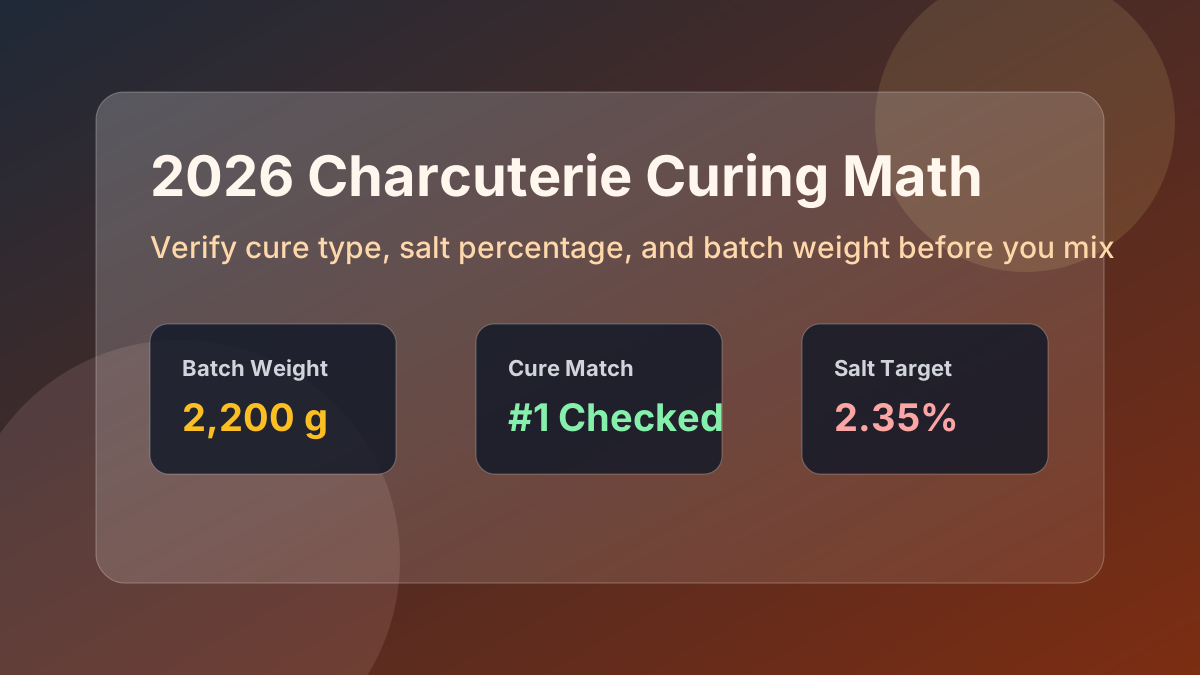
Sources: BLS CPI News Release (March 11, 2026), USDA FSIS Recall Notice (April 29, 2025), CDC Botulism Prevention, NCHFP Curing Review
3 SEO Title Options
- 7 Charcuterie Curing Checks for 2026: Fix Salt Math Before You Waste Meat
- 5 Pink Salt Mistakes That Can Ruin Bacon, Duck Breast, and Dry-Cured Projects
- 9 Home Charcuterie Errors I Still Catch Before a Batch Hits the Fridge
Where Curing Projects Usually Break
Most bad batches do not fail because of ambition.
They fail because one number was copied badly, rounded casually, or never logged.
Curing is a math problem before it becomes a flavor problem.
That is why I verify every batch in Charcuterie Curing Calculator before I touch the meat.
Personal Experience #1 (Real Story)
In May 2025, I helped a Suzhou deli pop-up prep pork belly for a weekend board special.
The junior cook copied the salt percentage correctly, but the pink salt amount came from the old 5 kg batch sheet instead of the new 2.2 kg trim weight.
We caught it before mixing because the calculator output and bench note did not match.
That one check saved the batch and a very awkward service meeting.
Pro Tip: Weigh the trimmed meat first, then calculate cure in grams. Teaspoons are not reliable once batch size or product density changes.
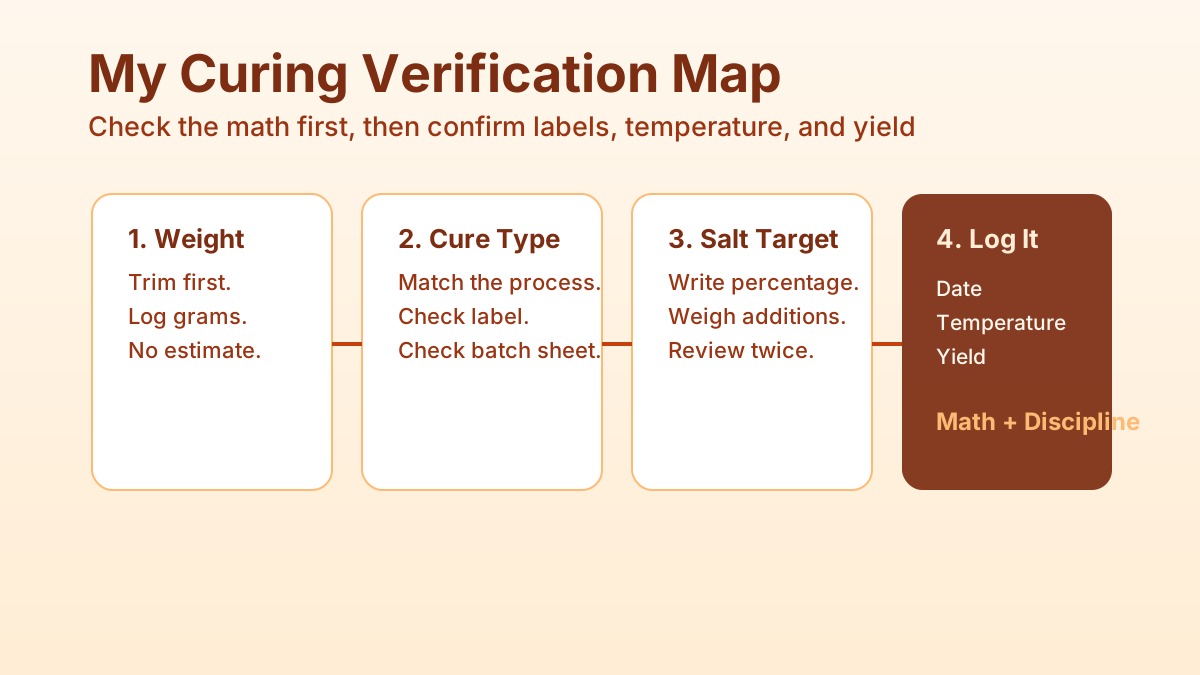
My 2026 Curing Verification Table
| Checkpoint | What I Verify First | Why It Matters | Failure if Skipped | Best Tool or Note |
|---|---|---|---|---|
| Trimmed meat weight | Final grams after skin or trim loss | Every cure number depends on this base weight | Wrong cure and salt dose | Charcuterie Curing |
| Cure type | Cure #1 for short cures and cooking, Cure #2 for long dry cures | Process and curing salt must match | Wrong curing path | Charcuterie Curing |
| Salt target | Written percentage before mixing | Texture, moisture loss, and margin all shift with salt | Bland or harsh result | Charcuterie Curing |
| Fridge log | Stable cold hold and dated label | Math does not replace cold-chain discipline | Safety risk | Manual log |
| Finished yield | Pre-cure vs post-cure weight | Purchase cost and board planning depend on yield | Margin drift | Catering Portion Buffer |
Use this table as a bench checklist, not a substitute for a validated recipe.
For product-specific projects, I still confirm process details against USDA, FSIS, or NCHFP guidance.
Personal Experience #2
I once rushed duck breast curing in a prep fridge shared with high-turnover service items.
The math was right, but the labeling was weak and one tray got rotated without a timestamp.
Nothing dangerous happened, but I lost confidence in the batch and pulled it from service.
That was an expensive reminder that safe curing is part formula, part discipline.
Pro Tip: Separate formulation notes from service notes. Cure math belongs on the batch sheet, and temperature or date checks belong on the label.
Personal Experience #3
During a holiday grazing-table order, I planned portions from finished slices instead of raw meat yield.
The cure itself was accurate, but my buy list was wrong because trim loss and moisture loss were never modeled.
Now I pair curing math with Catering Portion Buffer for board service.
If pickles or fermented garnish are involved, I also sanity-check salt math in Fermentation Brine Calculator.
Why Web Ocean Cook Is My Practical Best Fix
Most charcuterie mistakes start on paper.
Web Ocean Cook helps me catch them there.
I can verify cure weight, salt percentage, and downstream service planning without juggling three half-finished spreadsheets.
That is the fastest route I know from "I think this is right" to "I have checked every number."
If you are building a full event spread, pair this with Wedding Bar Math so the cured board and beverage flow stay aligned.
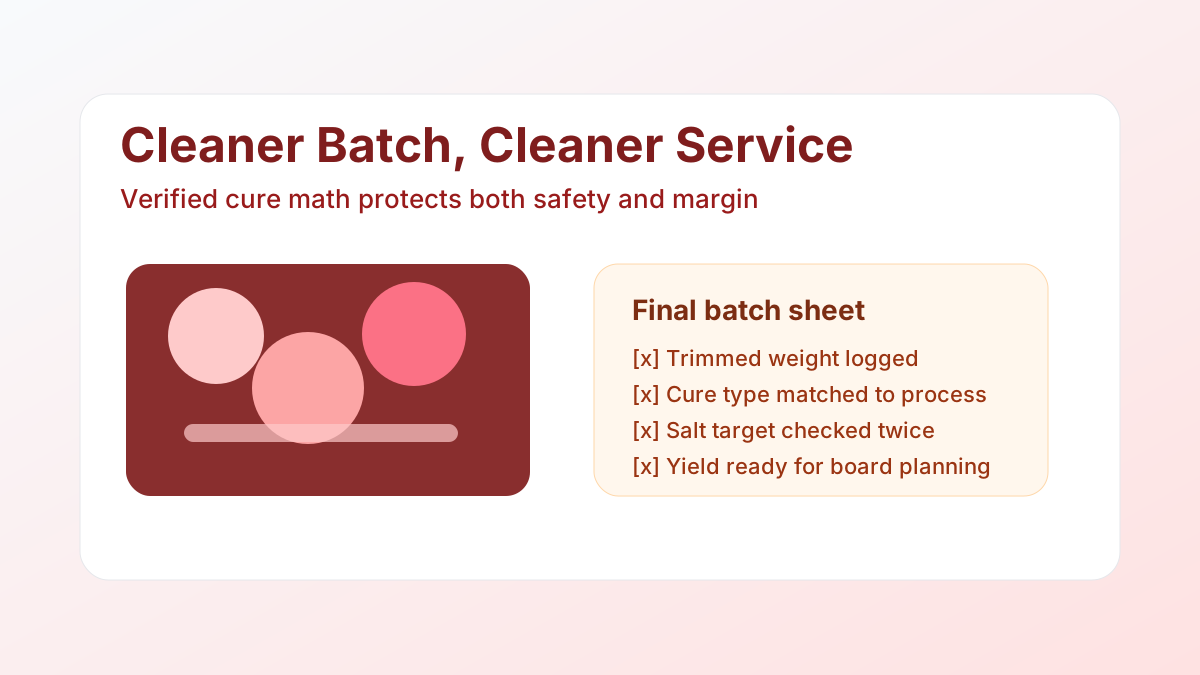
Run the numbers before you season the first piece of meat.
If you want, share your batch size and project type in the comments and I can suggest the first numbers to double-check.
Meta Description (140 chars):
Use this 2026 charcuterie curing workflow to verify cure math, avoid salt mistakes, and build safer batches with less waste in your kitchen.